Proof VPM Works
If you are new to VPM, the first question is whether your investigation time is well spent - whether this will reliably work in your environment, not just sound good in theory. That skepticism is rational. The market now offers hundreds of PM tools and frameworks; Capterra's 2026 analysis of project-management software started with more than 1,500 products. Yet delivery performance is still uneven: PMI's 2024 global benchmark reports an average project performance rate of 73.8%, and McKinsey/Oxford large-program research warns that "things often do go wrong," with major cost, schedule, and value misses still common.
This section is designed to answer one executive question quickly: how to recognize that VPM is operationally different before you invest deeply. The following example summarizes measured results from an initial VPM deployment in a medium-to-large R&D group (about 100 people). The value is not just better schedule performance. It is broader execution health: stronger launch realization, better team engagement, and lower attrition.
For a concise lived-experience example behind this method, see A Five-Minute Decision Cost Us Three Months. It captures a familiar failure mode in product development: a decision that should have taken minutes became a hidden delay that cost a quarter.

Figure: Gantt charts can misrepresent status — stale data, confusing dependencies, and delays that leak automatically to downstream tasks.
These outcomes tend to improve together for a reason. VPM applies Lean principles to remove cross-functional waste first: unclear handoffs, late issue discovery, and slow decision cycles. When that waste is reduced, the first visible shift is usually schedule reliability - teams move from chronic drift to predictable, on-time execution.
That reliability changes team behavior. Engineers and developers begin to trust the system because commitments are clearer, blockers surface earlier, and recovery is faster. As that confidence grows, engagement rises; engaged teams focus better, collaborate better, and ship stronger products. Stronger products produce better launch outcomes and higher customer satisfaction.

Over time, this creates a reinforcing loop: visible delivery success -> stronger pride in craft -> deeper commitment -> better execution. That is why attrition often drops and why the gains can hold for years - the organization is not just hitting dates, it is building a healthier operating culture.
The anti-pattern is just as real, and many R&D teams live inside it for years. Under common methods, lateness gets absorbed instead of confronted: Gantt plans extend dates when tasks slip, and sprint work shifts unfinished scope forward. No single move looks catastrophic, but the cumulative effect is cultural - teams stop expecting to win the schedule.
VPM breaks that loop by making schedule risk visible, forcing cross-functional decisions in cadence, and triggering Stop-Fix while recovery is still possible. The result is better dates and a stronger team experience of accomplishing meaningful work together.
What VPM Works Is
VPM Works is a cross-functional execution system for complex product development. It is built on four operating beliefs:
- Visual control is delivered through multiple synchronized views, each built for a different decision. Swim Lanes expose cross-functional flow and handoff risk, Skyline exposes resource and load pressure, and Gantt/detail views support task-level sequencing and local execution choices. One execution truth feeds all views, so teams do not trade off clarity for alignment.
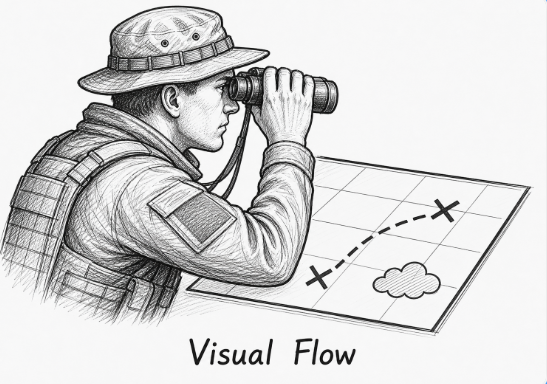
- Ownership is explicit at each handoff boundary, so accountability stays with the people closest to execution; this materially improves response speed and decision quality when conditions change.
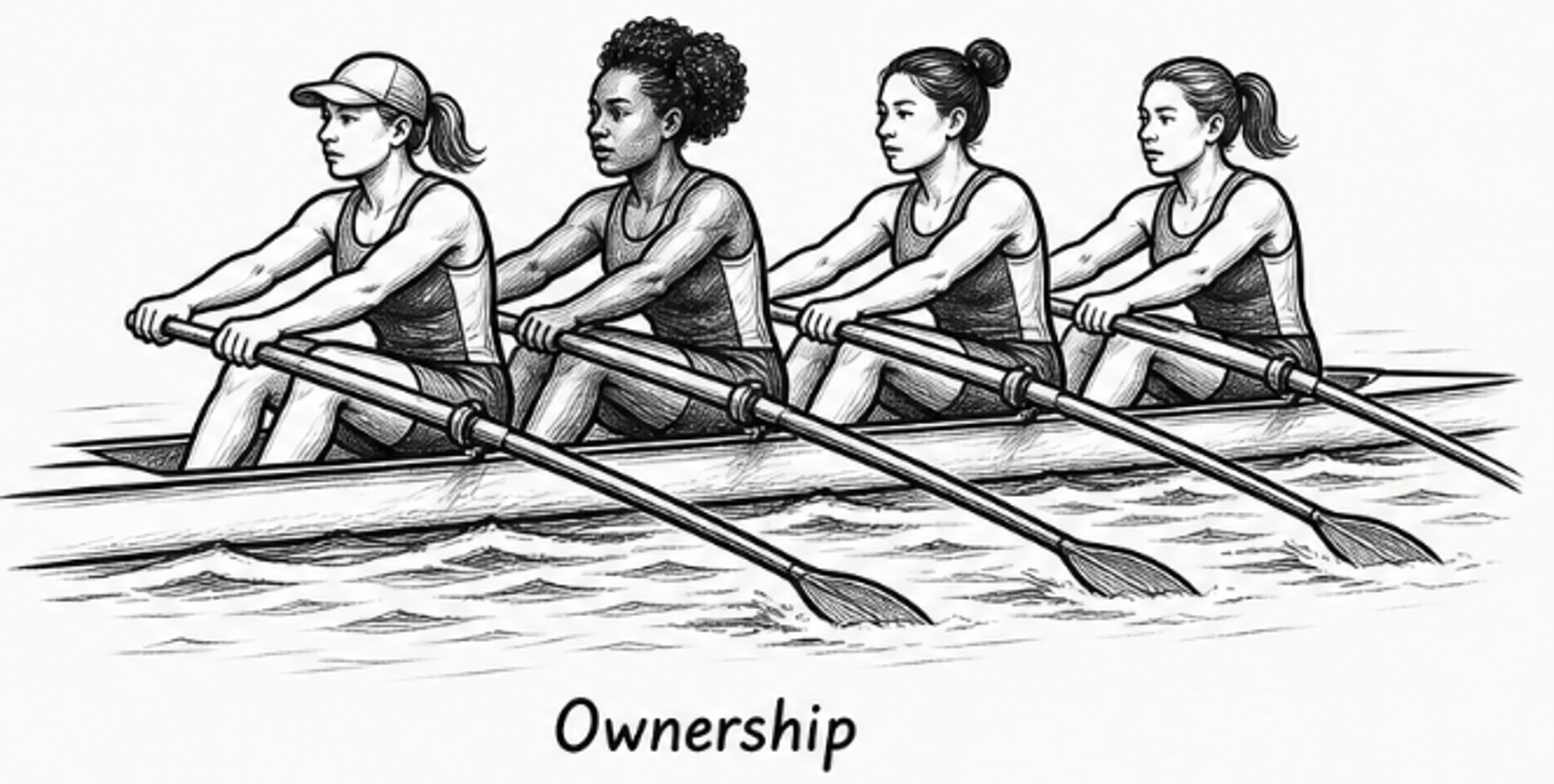
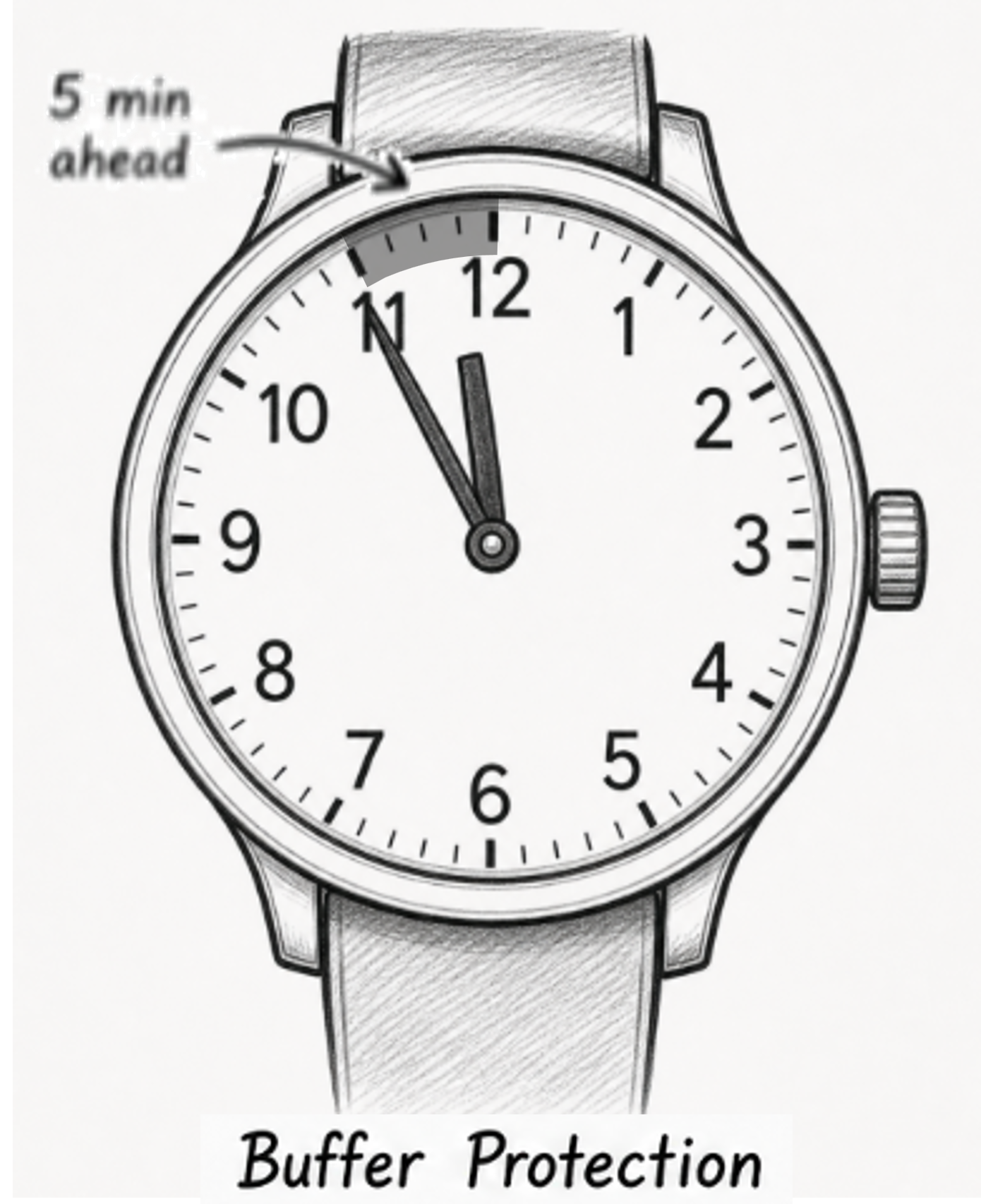
- Buffer protection creates managed recovery capacity against real variance; teams can intervene early, resequence intelligently, and protect external commitments without destabilizing the full plan.
It does not add padding to the schedule; it deliberately overcompresses the committed plan (like winding the project clock ahead) so on-time delivery is much more reliable.
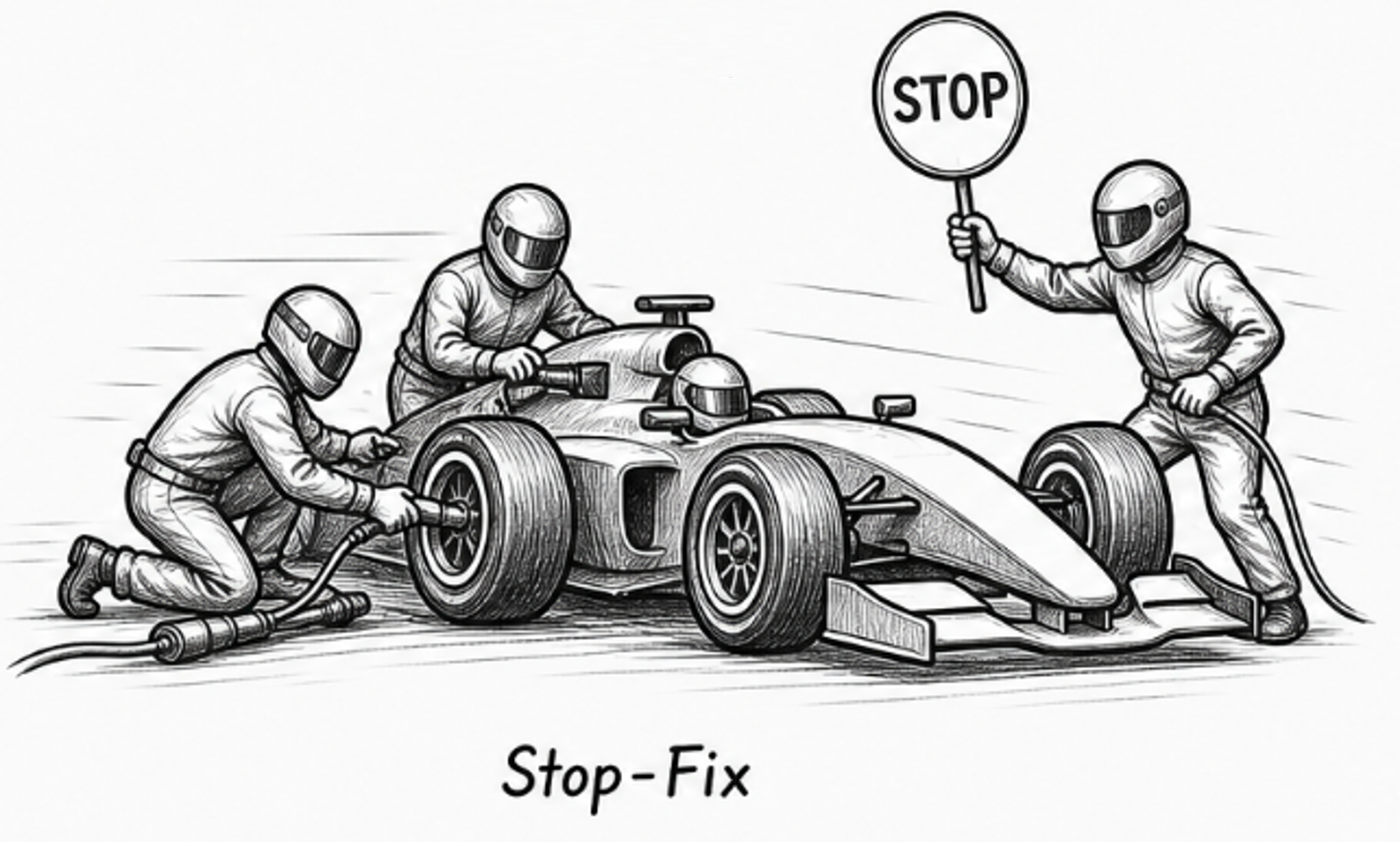
- Stop-Fix is a governance rule, not an optional tactic; when indicators deteriorate, teams pause drift, resolve constraints, and restart with restored control instead of normalizing underperformance.
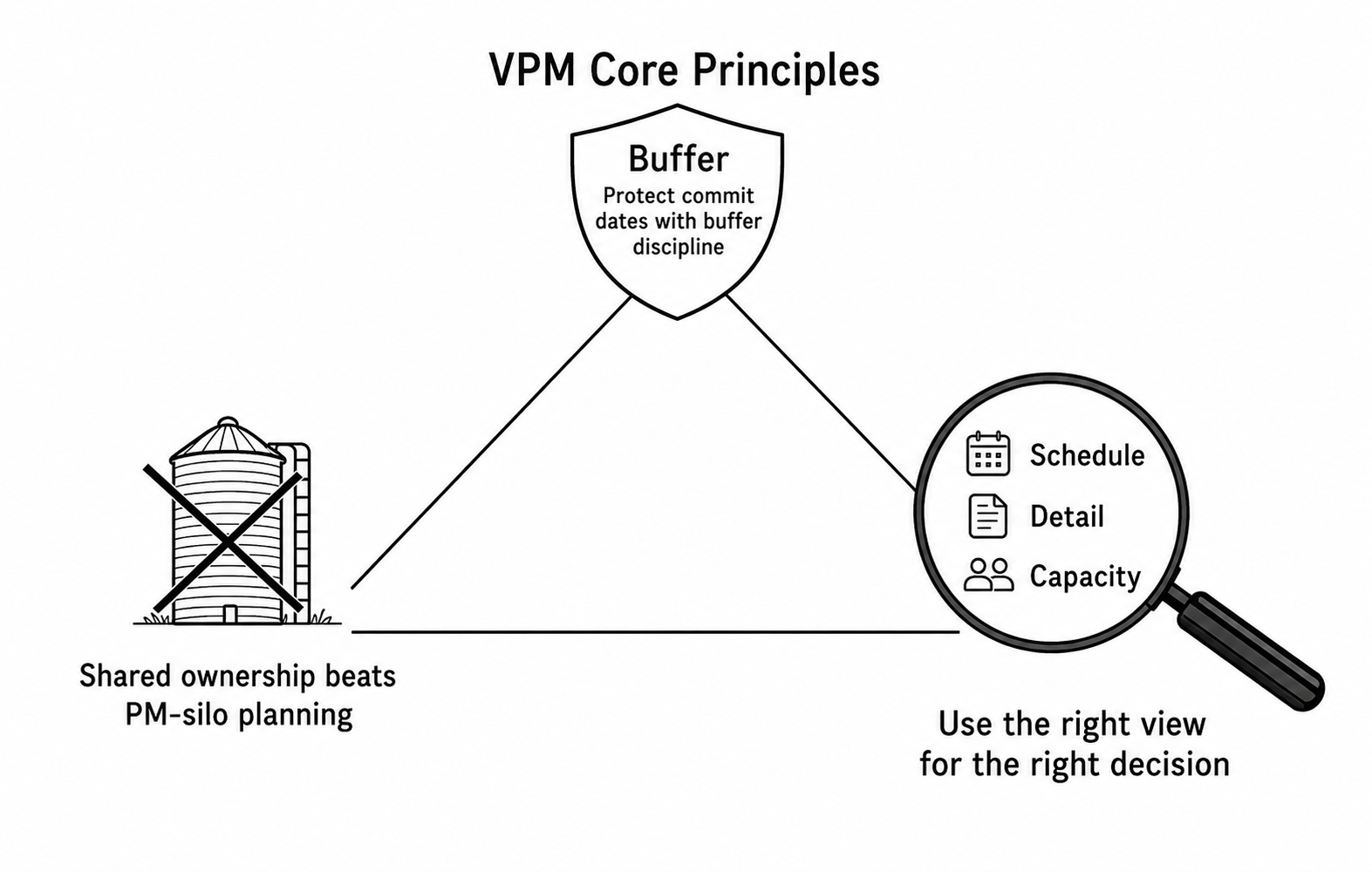
These beliefs are implemented through the three core principles below.
The 3 Core Principles That Make VPM Different
-
Shared ownership beats PM-silo planning.
VPM plans are built by the cross-functional team, not issued as a PM-only artifact. This changes execution under pressure: when reality breaks the plan, the work is not escalated as a handoff back to the PM. The same owners who shaped commitments stay in the problem, resolve interfaces together, and recover faster because accountability is distributed where execution happens. -
Protect the commit date with buffer discipline.
Buffer is not padding or hidden slack. It is explicit recovery capacity that creates options when execution deviates. Because the project is not operated at the edge every day, teams can absorb shocks, make higher-quality tradeoffs, and still protect customer-facing commitments. Early buffer-burn visibility materially improves the probability of full recovery before lateness becomes structural.It is easy to see the word "buffer" and assume schedule padding has been added. That does not work; under old behaviors, padded schedules simply become late against a more distant delivery date. In VPM, buffer is carved out of the committed schedule, not added on top of it. A practical analogy is setting a watch five minutes ahead to ensure on-time arrival. A professor summarized this mindset as, "if you want it in May, schedule it for April." Buffer turns that instinct into a structured, measurable, repeatable discipline that can be applied on every project.
-
Use the right view for the right decision.
"Right view" means full visual control of the delivery system. Everyone sees the same operating story, understands role expectations, and pressure-tests gaps before they become delay. VPM turns hidden risk questions into visible, testable artifacts with fast answers: Is design review fully captured? Are we actually on track? Do we have the resources and tools required at each handoff? Swim lanes, detail views, skyline, and buffer signals make those answers explicit and actionable.